

On-site snapshot and the deeper fault lines
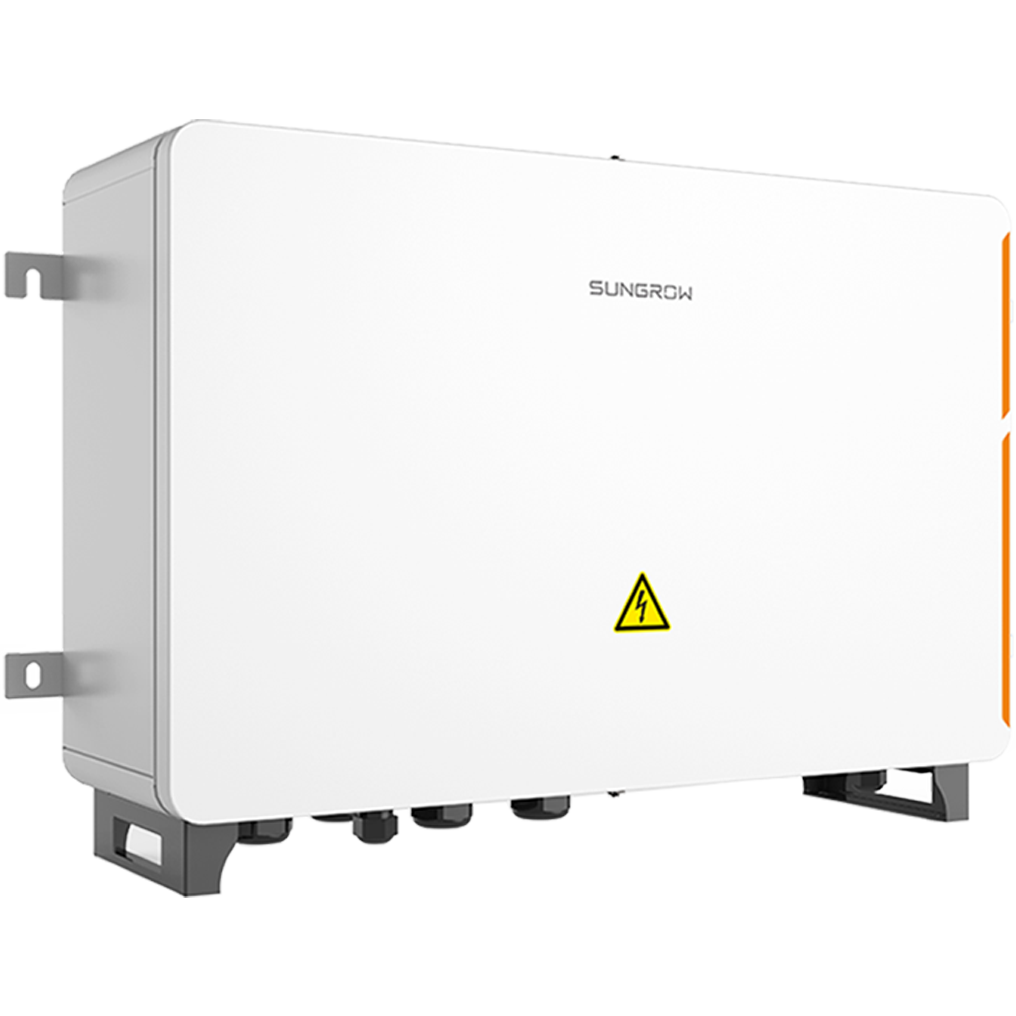
I remember a rainy afternoon on a small factory roof in Klang; the crew looked puzzled as the new monocrystalline 330W modules were only delivering about 82% of expected output—so I climbed up and started poking around. Early on I noticed the shading and a misconfigured string inverter, and that led me to inspect the whole photovoltaic system immediately. At that Klang site in June 2024 I saw a 18% drop versus nameplate—what exactly failed? This is not a theoretical problem; it’s practical, messy, and repeatable (lah).
Why common fixes miss the real issues
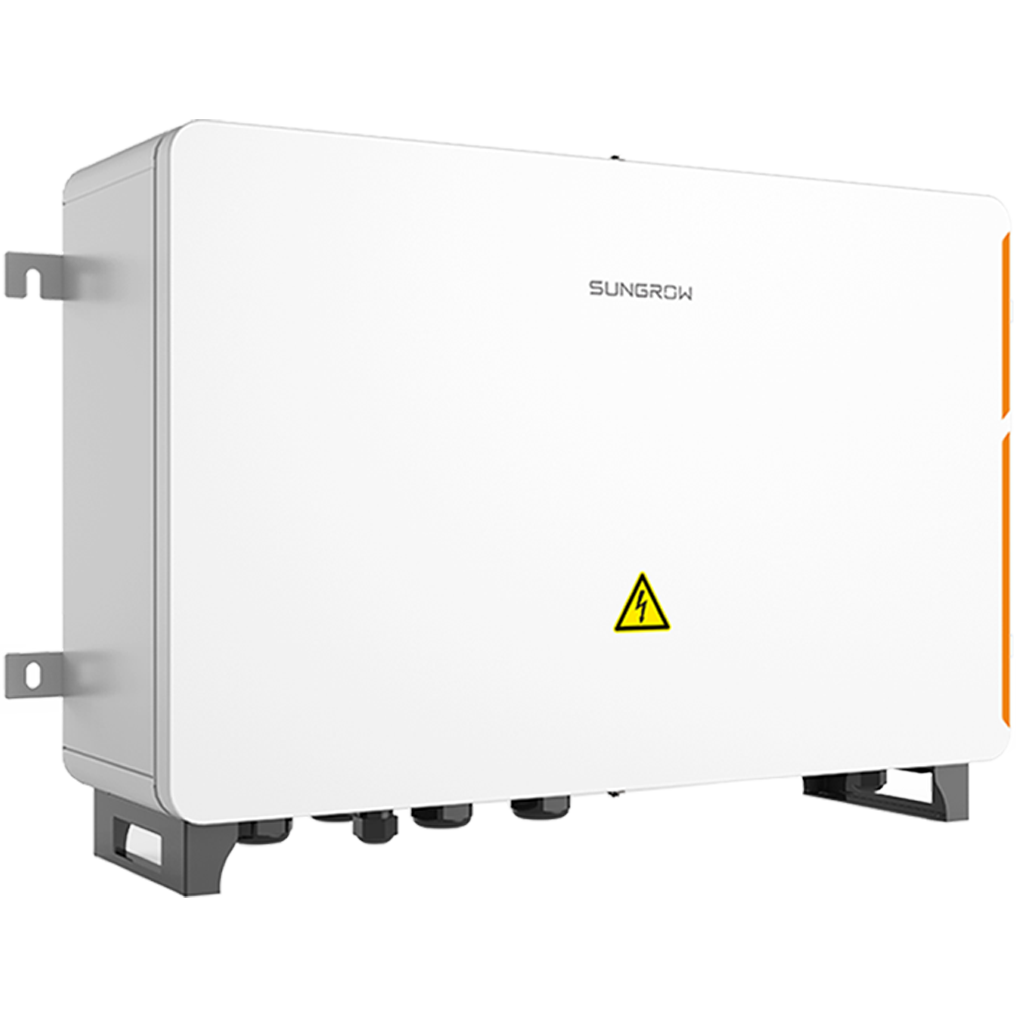
From my 16 years running B2B supply deals and commissioning plants, I’ve seen the same band-aids used again and again: replace the inverter, clean panels, tweak the MPPT settings. Those steps sometimes work, but they mask three persistent problems. First, balance-of-system (BOS) design errors—wrong cable sizing and poor combiner placement—create voltage losses that no inverter swap will solve. Second, mismatch from mixed PV module batches or incorrect stringing causes localized heating and accelerated module degradation. Third, monitoring blind spots: many sites use simple data loggers that sample every 15 minutes, so transient clipping or a failing DC combiner goes unnoticed. I once logged a 2-hour clipping event that cost 4.2 kWh—small per event, large over a month. These are not abstract terms; they are cash losses and warranty headaches. The technical fixes require methodical checks: IR thermography, IV-curve tracing, and real-time string-level data—not just a visual or a quick reset. End this part with that handshake to upcoming solutions—keep reading for practical comparisons and what I now recommend next.
Comparing current options and what to choose next
Now I switch tone: let’s be blunt and technical. When you compare retrofit options—upgrading to a modern string inverter with enhanced MPPT, adding per-string optimizers, or rebuilding the BOS—the cost-benefit math must include LCOE changes, downtime, and warranty implications. I prefer a phased approach: first, repair or reconfigure the BOS and correct shading or orientation issues; second, add targeted electronics like optimizers on underperforming strings; third, upgrade fleet controllers for better telemetry. Stop. Think. You will save more by fixing fundamentals than by repeatedly replacing inverters.
What’s Next?
Looking forward, integrating better telemetry and automated fault detection is the game-changer for any photovoltaic system. I recommend three evaluation metrics when choosing upgrades: 1) Measurement resolution — can you see per-string kW and voltage every minute? 2) Recovery time — how fast can the system isolate and heal a fault (minutes to hours, not days)? 3) Total cost impact — projected LCOE delta over 10 years, including maintenance and energy losses. These metrics separate clever sales pitch from real value. Also, expect surprises—sometimes the simplest wiring fix returns 6–8% energy gains immediately. In my experience in Penang and Selangor, that recovery paid for the entire retrofit within 14 months. For hands-on teams and buyers like us, the right mix of diagnostics plus targeted hardware wins every time. For practical products and system support, check sungrow.
