

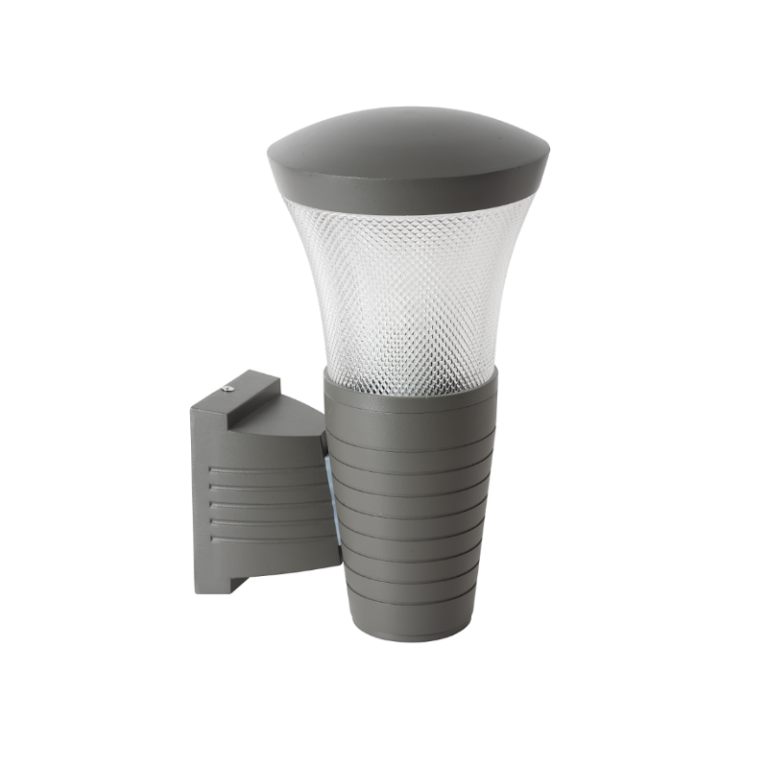
Opening the problem: why lighting engineer satisfaction matters
Hardscape projects routinely fail not because the design is weak but because the lighting execution is misaligned with operational realities. Engineers measure success by predictability: consistent luminaire performance, low maintenance, and systems that integrate cleanly with control networks. When outdoor systems underperform — frequent false triggers, unpredictable dusk-to-dawn behavior, or ingress failures — schedules slip and budgets inflate. That gap is avoidable when teams specify the right led outdoor lighting and select the correct outdoor motion sensor light components up front. The 2020 supply-chain disruptions only amplified this: what used to be tolerable lead-time variation became project-critical, so design decisions now need to anticipate procurement and maintainability constraints.
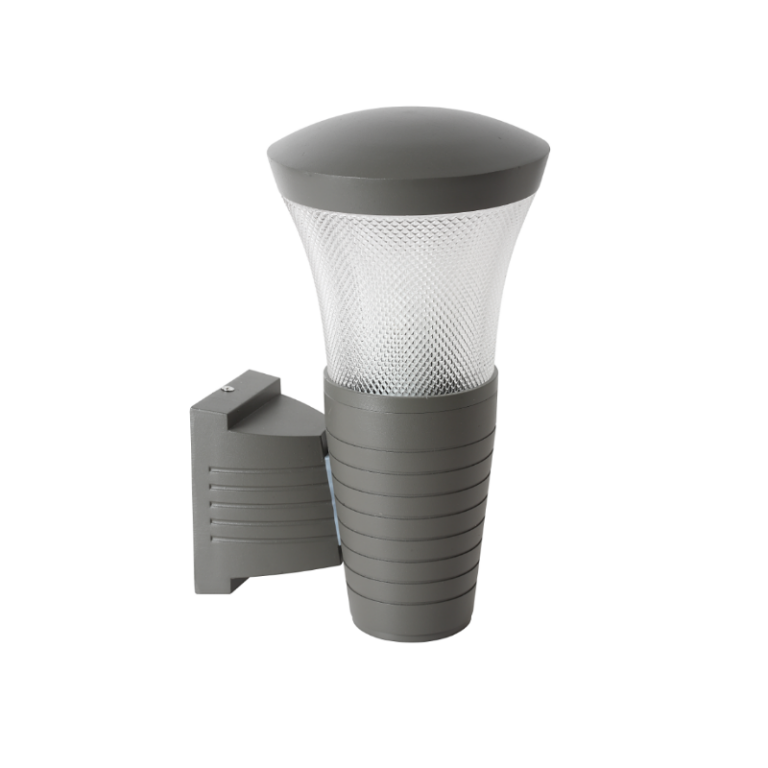
Core problems that create engineer friction
There are five recurring failure modes that reduce engineer satisfaction:
- Poor sensor selection: choosing a generic PIR sensor with no adjustable sensitivity leads to false positives from plants, cars, or HVAC exhaust.
- Mismatched photometrics: beam angle and mounting height are specified without reference to required footcandles on pathways, creating dark spots or glare.
- Ingress failures: incorrect IP rating choice results in premature corrosion and warranty claims.
- Integration gaps: fixtures that lack compatible control interfaces (0–10V, DALI, or simple photocell) force on-site retrofits.
- Maintenance blindspots: inaccessible housings or proprietary drivers that require long lead-time replacements.
Addressing these requires practical engineering criteria rather than aesthetic wishlists.
Design solutions that reduce complaints
Successful hardscape deployments follow predictable decisions. Begin with clear performance targets — target illuminance, acceptable glare thresholds, expected trigger distances — then select components that meet those targets. Specify IP66 or higher where salt or heavy runoff is expected. Choose lens types and beam angles that match your pathway widths and fixture mounting heights so light distribution aligns with photometric plans. For motion sensing, prefer units with adjustable timeouts and sensitivity settings and, where possible, dual-technology sensors (PIR + microwave) for fewer false triggers. These choices reduce field tuning and rework.
Procurement and installation practices that matter
Engineers get frustrated when spec changes arrive mid-build. Mitigate risk with three operational steps:
- Lock a bill of materials that includes part numbers for drivers, photocells, and sensor modules.
- Require factory pre-commissioning or a witnessed functional test before shipment to verify sensor behavior and driver dimming ranges.
- Build spares into procurement — drivers and sensor heads are small line items that prevent major downtime.
These are practical controls that align project tempo with supply realities — and they save time when a site walkthrough reveals unexpected reflections or heat sources that affect sensor behavior.
Common mistakes and how to avoid them
Teams repeatedly make a few avoidable errors:
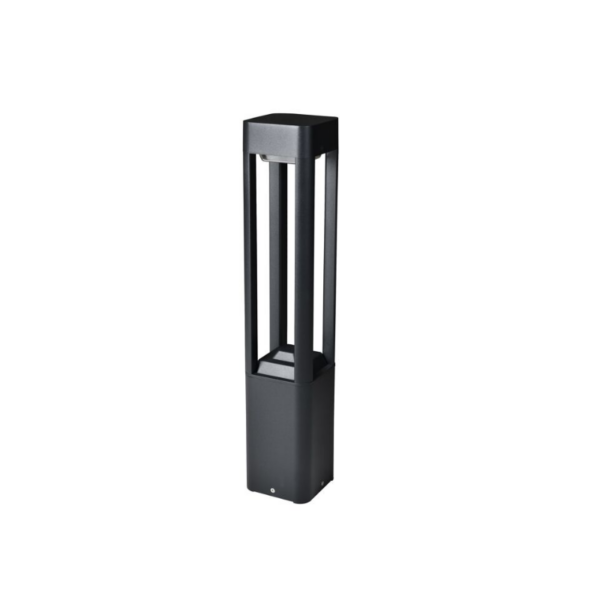
- Assuming motion sensor range equates to detection reliability — range is one metric; pattern and sensitivity matter.
- Specifying low-cost drivers without checking thermal derating — higher ambient temps shorten driver life.
- Incorrect conduit or junction box sizing that complicates future maintenance.
Simple remedies: require sensor pattern diagrams in submittals, demand driver lifecycle data, and ensure access panels are part of the installation drawings — small upfront costs that prevent time-consuming fixes later.
Implementation checklist for low-friction deployments
Use this checklist at the design handoff and at procurement:
- Photometric confirmation: confirm beam angle, candela distribution, and mounting heights against site plan.
- Sensor specification: list sensor type (PIR / dual-tech), adjustable parameters, and field-replaceable module requirements.
- Environmental rating: state minimum IP rating and corrosion class for coastal or industrial locations.
- Control compatibility: assert driver protocol (0–10V, DALI, DMX) and default behavior for loss of control signal.
- Maintenance access: document spare parts and routine service intervals.
Three golden rules for selecting motion-sensor strategies (Advisory)
Evaluate every decision against these three metrics — the ones that predict long-term engineer satisfaction:
- Operational Predictability: Measure expected trigger reliability in the intended environment. Ask for field test videos or lab reports showing detection patterns rather than trusting nominal ranges.
- Maintainability Score: Quantify how quickly a field technician can replace a failed sensor or driver and the typical replacement lead time. Lower MTTR (mean time to repair) correlates with higher satisfaction.
- Total Lifecycle Cost: Calculate the sum of unit price, tooling or mounting hardware, spare parts inventory, and estimated replacement frequency. The lowest initial price rarely wins this comparison.
Bringing it together: practical next steps
Lighting engineers want systems that behave predictably, are straightforward to maintain, and arrive on schedule. Start with clear performance specs, insist on substantiated sensor behavior, and require spare-part planning in contracts. When your procurement and design choices reflect those priorities, hardscape lighting becomes a controlled variable rather than a site-by-site gamble. For teams seeking fixtures and sensor modules that align with these rules, vendors that publish detailed photometric files and offer modular sensor heads make implementation smoother — and that operational value is exactly what Keyida brings to project teams. Short, practical payoff.
