

Introduction: Are we ready to trust what glows?
Have you noticed how a warm glow can feel like a promise—until it isn’t? I watch clinics and home setups alike lean on the allure of light, and I worry. The red light bed sits at the center of that promise, flickering like a small beacon in a larger, uncertain landscape. Recent user reports and uneven product specs hint at wide variability in outcomes (and yes — that inconsistency matters). So I ask: when the evidence is thin and the marketing thick, how do we tell one reliable setup from another? This piece pulls those shadows into the light and leads us toward practical checks and clearer decisions.
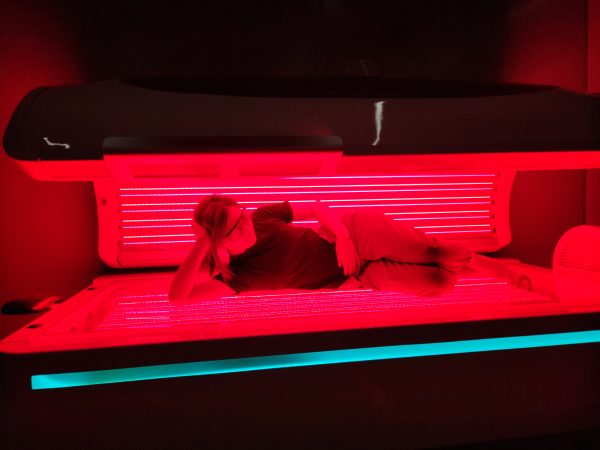
Part 1 — Why many light bed therapy solutions fail: a technical look
When I dig into light bed therapy setups, the same weak spots keep showing up. Manufacturers often tout session times and LED counts without clarifying true irradiance or effective wavelength at skin level. That gap makes real-world performance a guessing game. I learned this the hard way—testing several beds, measuring output with a handheld meter, and watching users report mixed results. Look, it’s simpler than you think: an LED array with high nominal power doesn’t guarantee adequate fluence where it counts.
What’s the technical flaw, exactly?
First, many designs neglect heat management and decent power converters, so LEDs drift in output during a session. Second, the mismatch between advertised wavelength bands and what’s delivered reduces therapeutic effect. Third, inconsistent beam angles and poor optical design create hotspots and cold zones—uneven dosing across the body. Those are not minor details; they change the therapy’s reproducibility. If you care about outcomes, you want consistent irradiance, stable wavelength, and proper device calibration. — funny how that works, right?
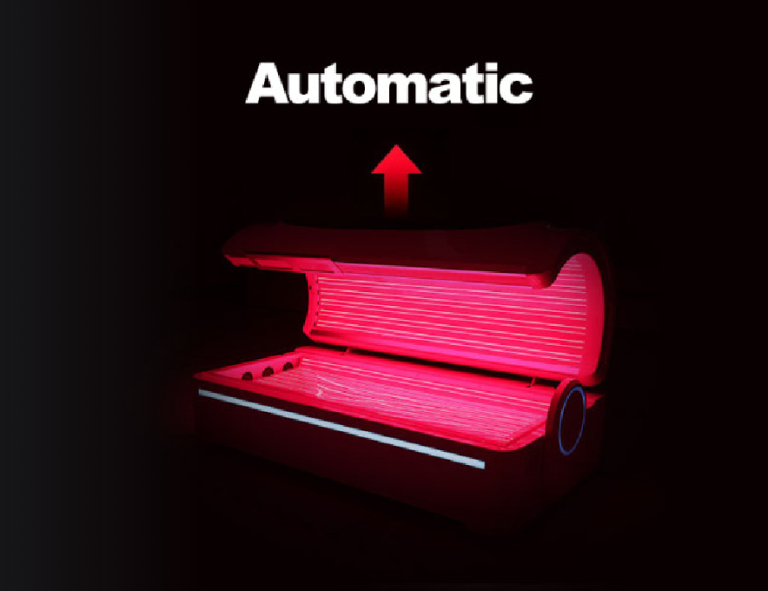
Part 2 — New principles and where innovation matters
Looking forward, the shift I expect is toward systems that document engineering parameters, not just session recipes. I still champion light bed therapy, but with a demand: devices must publish measured irradiance at set distances, wavelength tolerances, and thermal performance. Engineers are exploring smarter LED drivers and closed-loop controls that maintain output despite temperature swings. Edge computing nodes embedded in panels can log session data and adjust drive current to preserve fluence. That kind of transparency will make comparisons honest and useful.
What’s next for practical buyers?
Choose beds that provide measurable specs, good build quality, and documented testing. Evaluate whether the system reports output drift and whether it uses robust power converters to avoid degradation over time. I want to see data—real readouts, not glossy claims. In practice, that means asking for irradiance maps, wavelength charts, and longevity tests. These items should be part of plain conversation between buyer and seller; if they aren’t, that’s a red flag. — and we should call it out.
Conclusion — How I evaluate red light beds today
To finish, here are three metrics I use when I vet options: 1) Measured irradiance at typical treatment distance (mW/cm²), 2) Wavelength accuracy and spectral bandwidth, and 3) Thermal stability and power supply quality over expected session lengths. I weigh these against build quality and documented test results. I prefer systems that come with transparent data and easy access to session logs (this matters for repeatability and trust). We’re not chasing hype; we want reliable therapy with predictable results—measurable, repeatable, and sensible. If a device can’t show that, I walk away.
In the end, choosing wisely means asking the right questions and insisting on clarity. I’ve seen hope backed by solid engineering produce real change, and I’ve also seen shiny panels that deliver little. Trust the specs, demand the tests, and keep your standards high. For practical, documented solutions and a clearer path to results, consider what the market leaders publish and who stands behind their claims—like Magique Power.
