

Putting drivers first: a user-centered security approach
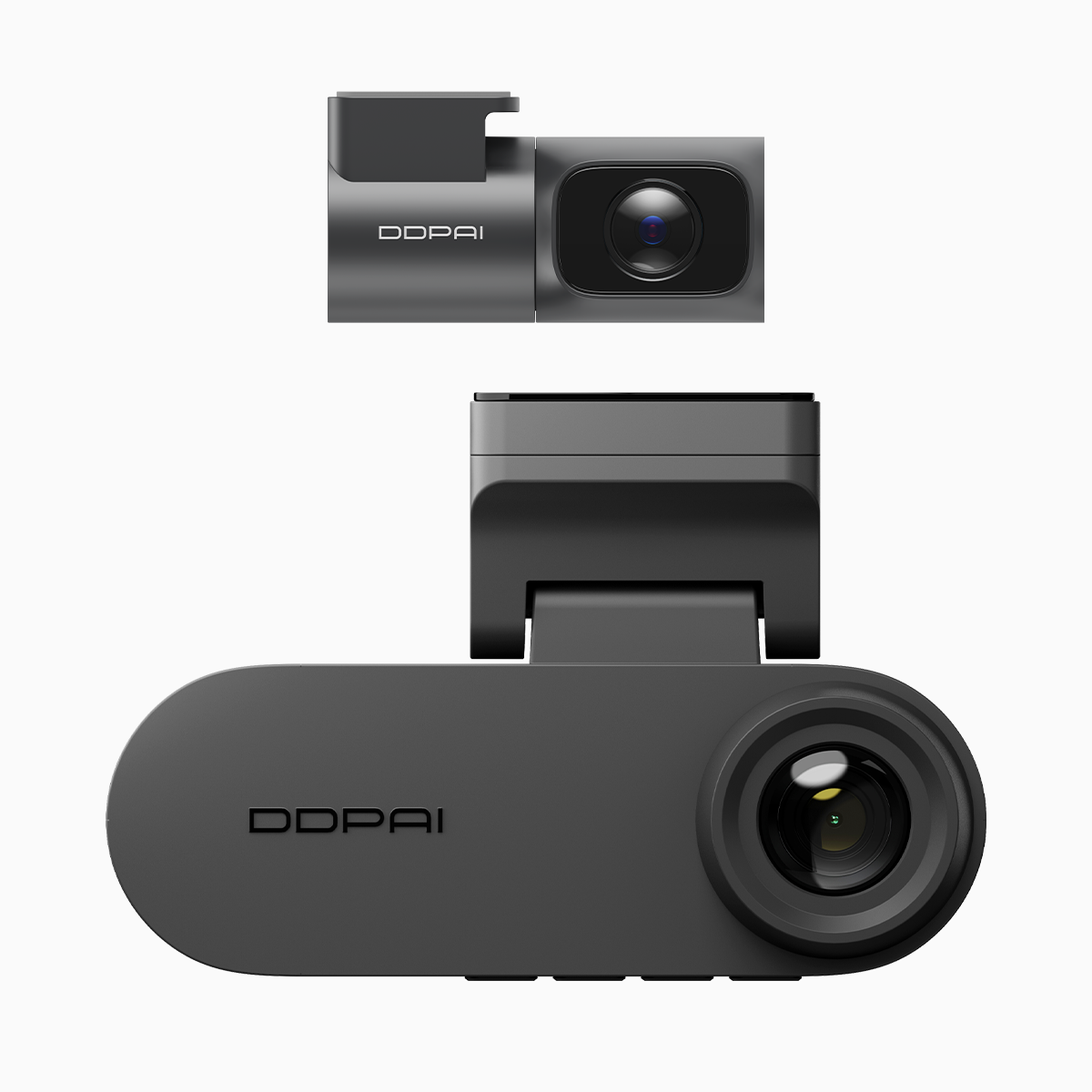
Fleet managers who treat security as a driver-focused service see faster adoption and better outcomes. Equip your team with a device that simplifies evidence capture and supports on-the-road workflows — like a dual dash cam with night vision that pairs GPS logging and Wi‑Fi for instant access. Clear video, reliable GPS coordinates, and easy file transfer reduce disputes, speed claims, and keep drivers confident behind the wheel. Keep the language simple for drivers: reliable recording, quick download, and consistent uptime.
Night shifts and local conditions: a Metro Manila anchor
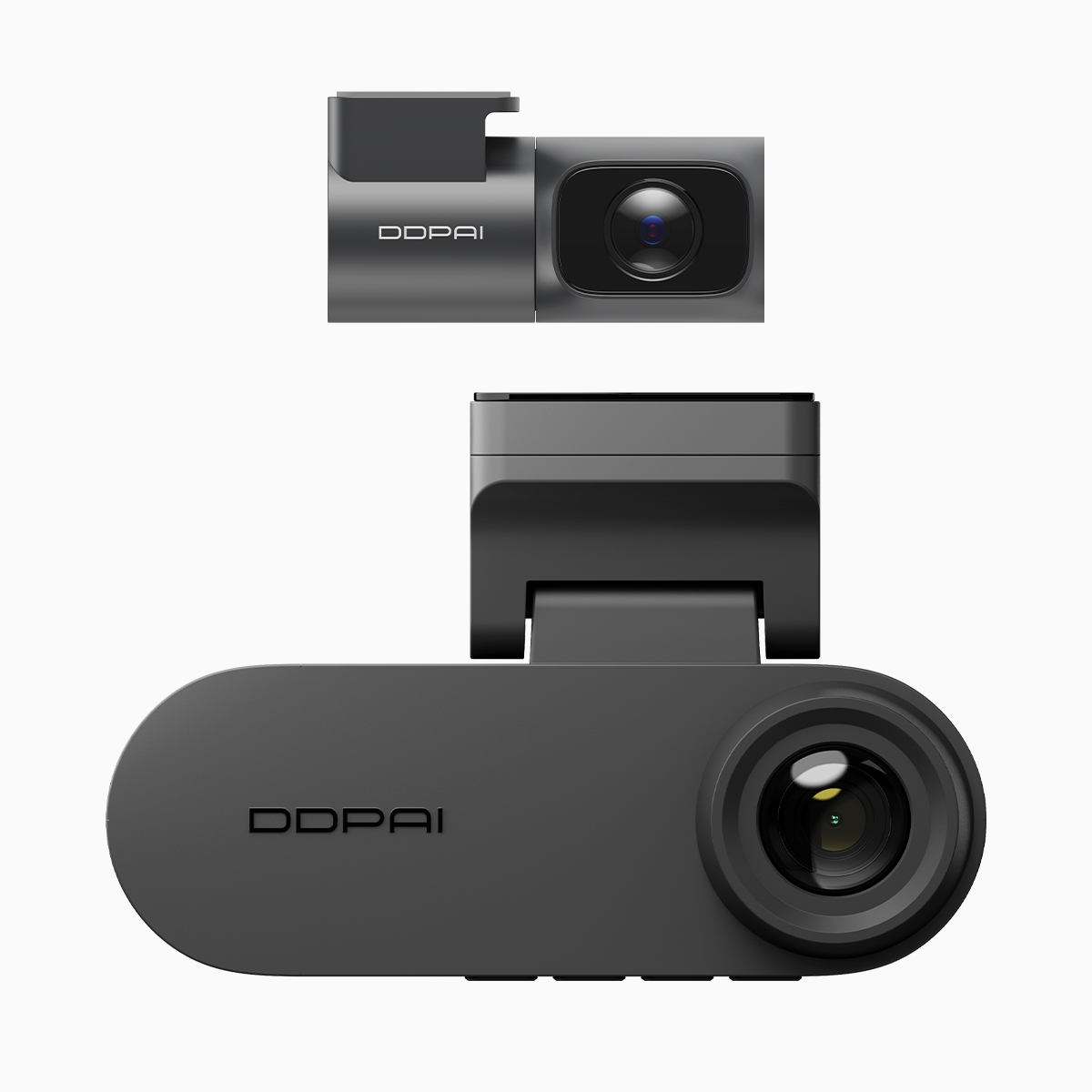
Urban routes in Metro Manila, where deliveries and long hours stretch into night, demand strong low‑light performance and dependable parking mode. Night vision plus HDR ensures usable frames when headlights glare or streetlighting is uneven. Using local examples helps: drivers on busy EDSA and service roads have fewer lost-incident reports when cameras capture license plates and lane context. This is why choosing a unit marketed as a dash cam philippines with night vision matters — it aligns specs with local night-time needs.
What drivers actually use on the road
Practical features are king: dual-channel recording to cover front and cabin or rear, a wide field of view (FOV) to capture adjacent lanes, and parking mode to record while parked. Real-world setups favor hardwiring for constant power and GPS for route audits. Avoid these common mistakes: mounting the camera behind tinted patches, leaving firmware outdated, and recording at unnecessarily high bitrate with no storage plan. Those errors cost footage quality or create gaps in coverage.
Keep systems simple for drivers — one-button emergency save, auto-overwrite enabled, and clear LED indicators. — That small clarity makes adoption happen faster.

Installation and management: practical steps for fleet ops
Standardize installation: consistent mounting height, same firmware build, and identical recording profiles across the fleet. Use a Wi‑Fi enabled unit for rapid on-site downloads rather than swapping SD cards. Implement a rotation plan for microSD cards or set up cloud backup schedules where supported. Track firmware releases and test new builds on a pilot vehicle first. Industry terms to prioritize: frame rate tuned to 30 fps for smooth playback, parking mode sensitivity set to avoid false triggers, and bitrate balanced for storage efficiency.
Comparing options: quick trade-offs
Single-channel units cut cost but leave blind spots. Dual-channel systems increase situational awareness with synchronized timestamps and GPS overlays. Battery-only setups offer easy installs but risk dead batteries; hardwired systems need pro installation but guarantee uptime. Choose based on route length, night activity, and whether you need in-cab monitoring. For most urban fleets with night operations, dual-channel, GPS-enabled, and Wi‑Fi equipped units deliver the best mix of evidence quality and operational convenience.
Three golden evaluation metrics for selecting fleet dash cams
1) Evidence Reliability — Check low-light performance, HDR processing, and night‑vision capability. These determine whether footage is usable for incidents that happen after sunset. 2) Operational Fit — Confirm GPS logging accuracy, Wi‑Fi transfer speed, and parking mode behavior to match your routes and shift patterns. 3) Total Cost of Ownership — Factor installation, firmware support, storage strategy, and replacement cycles rather than just unit price. Evaluate these metrics against pilot results for two to four weeks to see real savings in claims and driver downtime.
Apply those metrics and you’ll pick gear that truly protects drivers and cargo — and makes daily operations smoother. DDPAI Philippines. —
