


Problem diagnosis: why Mooney scorch sabotages custom compounding
Producers of tailored elastomer parts face an insistent foe: Mooney scorch during pre-cure handling. Scorch—an early onset of cross-linking—shortens pot life, increases scrap and throws off batch consistency. In processing lines that combine mixing mills, hot press cycles and downstream molding, uneven thermal mass in a C-frame press or a poorly controlled cooling jacket can amplify cure rate variability. For teams moving between compression and injection stages, integrating a rubber injection molding machine without addressing thermal control simply shifts the problem downstream.

Where heat becomes the hidden variable
Mooney viscosity, vulcanization onset and localized hot spots are the key indicators to watch. A hot press plate that retains heat near the die edge will accelerate cure locally, causing inconsistent cross-link density. In practical terms this shows up as flash, dimensional drift or tacky surfaces that resist mold release. Manufacturers in automotive hubs such as Baden-Württemberg have tightened tolerance budgets for these defects; the response has been targeted control of mold temperature and press cooling systems rather than increased compound changes.
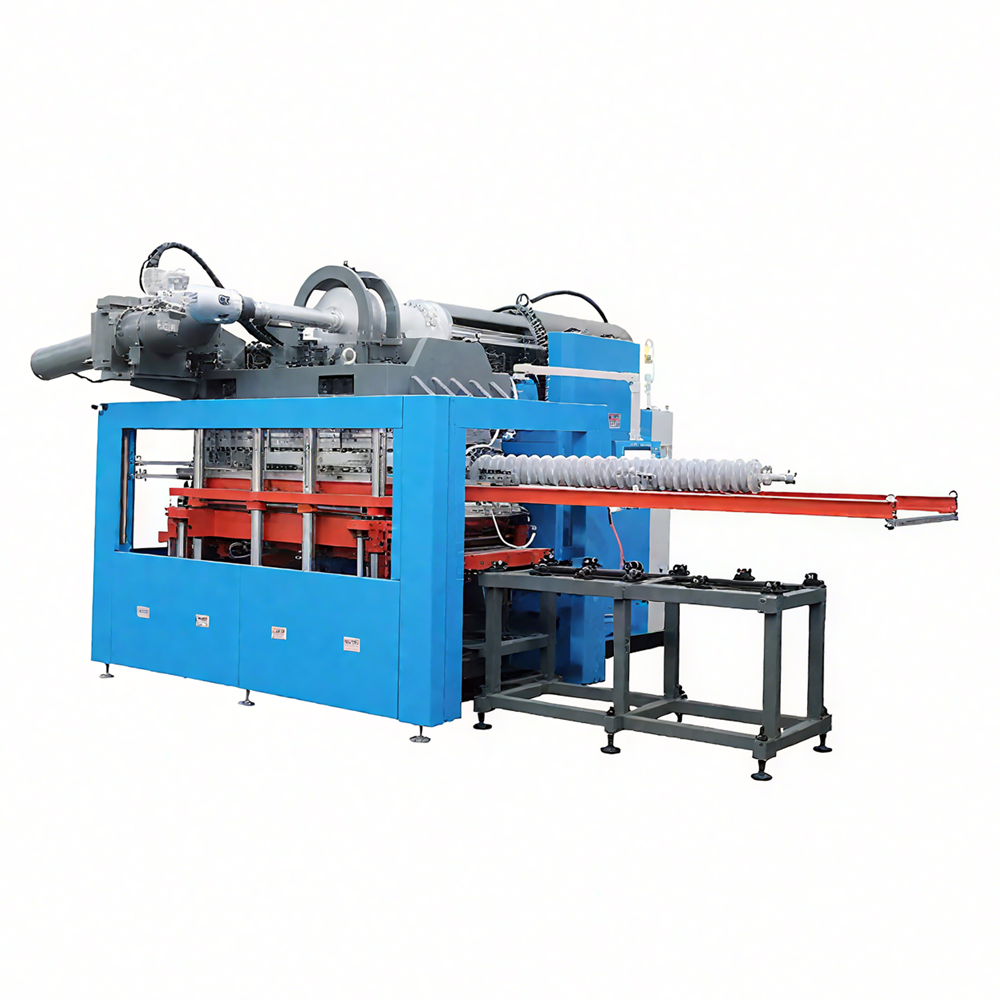
Technical approach: intelligent cooling jackets and control logic
Intelligent C-frame cooling jackets pair hardware and control logic to stabilise the thermal environment. Key elements include zoned coolant channels, thermostatic control loops and sensors placed to monitor both platen and compound temperatures. When the jacket actively removes stored heat during dwell—and not just during open cycles—Mooney scorch incidence falls. This is not complex: it requires robust temperature feedback, a modest PLC routine and clear setpoints for cure windows. Terms to track include cure rate, hot press dwell and thermostatic control.
Implementation checklist: practical steps for the shop floor
Follow these steps to convert theory into reduced scrap and repeatable runs:- Map current temperature gradients across the C-frame and platen using contact sensors.- Retrofit or specify a cooling jacket with zoned channels and ports nearest to known hot spots.- Link jacket control to press logic so cooling engages during idle dwell and pre-press warm-up.- Validate with Mooney viscosity tests and short-run production samples before full-scale release.This sequence protects compound integrity and keeps downtimes predictable.
Common mistakes and how to avoid them
One frequent error is over-reliance on ambient cooling—fans and room HVAC do not address platen thermal inertia. Another is treating the cooling jacket as a passive component rather than a controlled element; without integration into the press’s control scheme, it merely slows decay instead of preventing scorch. And some teams forget the interaction between mixing history and cure sensitivity—mixing mill shear can raise compound internal energy, reducing safe dwell times. —Simple control logic changes often outperform expensive reformulations.
Comparative insight: where intelligent jackets outscore alternatives
Compared with solely changing compound recipes or batch sizes, intelligent cooling preserves part properties while lowering scrap. Re-formulation affects shore hardness and elongation; faster cycles risk inconsistent cure. A retrofit cooling jacket is targeted: it addresses the physical cause (thermal mass) rather than masking symptoms. For facilities that also run an injection molding line, coordinating platen cooling with injection cycles yields the best cross-process stability. Consider also maintenance access and coolant quality—both affect long-term performance.
Summary and practical takeaways
Reducing Mooney scorch in custom rubber compounding requires treating heat as a controllable variable. Zoned cooling jackets on C-frame presses, precise thermostatic control, and integration with press logic lower scrap, stabilise cure rate and protect part specifications. The investment is measurable in fewer rejects and more predictable cycle times.
Advisory: three golden rules for selecting the right solution
1. Measure before you modify—baseline platen and compound temperature maps to prioritise zones. 2. Demand closed-loop control—setpoints and feedback are non-negotiable for durable improvement. 3. Validate with material tests—run Mooney and short production batches to confirm results under real conditions. These rules help you choose components and integration strategies that pay back quickly.
For practical deployments that marry press mechanics and controls, HWAYI provides proven solutions that fit both retrofit and new-build requirements—HWAYI. —Final thought: control the heat, control the cure.
