

Reality will ask engineers for range, buyers for ROI, and both will want something that survives a storm of signals and dust. The core problem is simple: how to keep moving assets visible across yards, docks, and automated vehicles without blind spots. When you pick a family of active rfid tags, you’re choosing trade-offs—range versus battery life, antenna design versus mounting options, radio robustness versus cost. This piece lays out those trade-offs in a forward-leaning, problem-first way so decisions aren’t guesses but engineered outcomes.
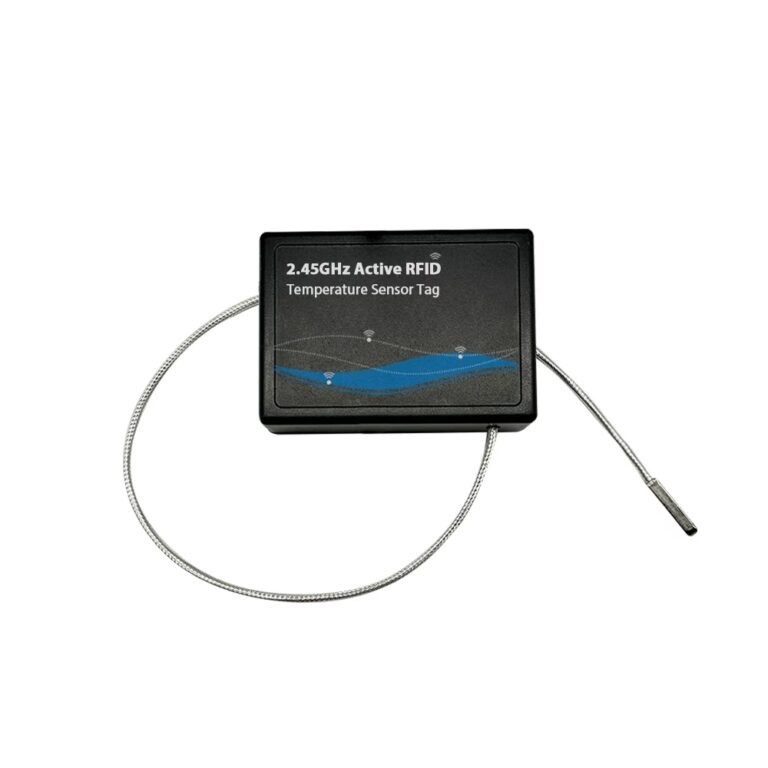
Range versus power: the essential tug-of-war
Long range requires transmit power and a clear antenna path. That raises two immediate problems: battery capacity and false confidence from lab claims. Expect real-world field range to be well under headline numbers if tags sit inside metal enclosures or behind stacked cargo. Engineers should benchmark tags in the specific mounting orientation and materials they will encounter. Buyers should insist on measured range reports, not just theoretical link budgets.
Antenna design and mounting choices: small changes, big consequences
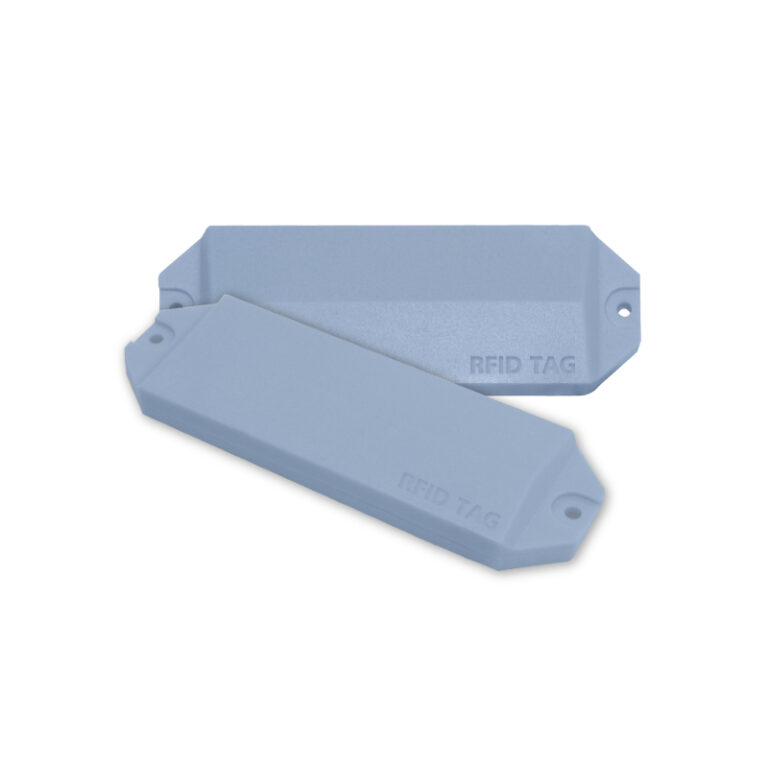
An antenna pointed into empty air performs differently when glued to steel. Mounting location can cut effective range by 50% or more. Choose tag form-factors that match the use case: low-profile sticky tags for cartons, rugged bolted housings for containers, or integrated-beacon assemblies for forklifts. Test with the actual plastics, metals, and liquids present. Don’t assume a single mounting solution will scale across heterogeneous assets.
Interference, spectrum, and regulatory realities
2.45 GHz active systems sit in crowded bands. Nearby Wi‑Fi, Bluetooth, and industrial radios create noise floors that reduce usable range. Frequency agility and adaptive power control mitigate this, but they add firmware complexity. Verify a tag’s collision-handling and channel-switching behavior. Confirm local regulatory limits on transmit power; regional rules can force different configurations for identical hardware.
Security and firmware: the operational weak link
Tag security isn’t an afterthought. Unencrypted broadcasts or hardcoded keys create attack surfaces—asset spoofing, location spoofing, and wear-down attacks that kill batteries faster. Demand firmware update mechanisms and signed firmware images. On deployment, segment tag traffic from general network traffic so operational telemetry cannot be trivially intercepted or replayed.
Procurement, testing, and lifecycle costs
Buyers often focus on unit price and ignore lifecycle costs: batteries, replacements, environmental failures, and system integration. A cheaper tag can cost more when it needs premature replacement. Build procurement specs that require environmental testing results, MTBF estimates, and clear warranty terms. Pilot with a representative subset of assets for at least one full operational cycle before full rollout.
Real-world anchor and demonstrated experience
Field evidence matters: Port of Rotterdam trials and similar large-scale logistics studies showed that active tag deployments improved visibility only when physical mounting, reader placement, and environmental models were aligned. My work advising mixed-fleet deployments confirmed the same pattern—planned tests catch failures that lab reports miss. For design teams evaluating options, review measured performance for the specific active rfid tag range you need rather than relying on vendor distances stated under ideal conditions.
Alternatives and when to choose them
Passive RFID, Bluetooth LE beacons, UWB, and GPS each solve parts of the visibility problem. Passive tags are cheap at scale but limited in range. BLE gives device-to-device proximity but suffers in metallic environments. UWB offers precision location indoors but increases system complexity and cost. GPS excels outdoors but drains power and fails indoors. Select alternatives by matching the failure modes to your operational risk: if container-level presence is enough, passive may suffice; if sub-meter location is required, UWB or hybrid approaches make sense.
Common deployment mistakes to avoid
Don’t accept vendor range numbers without field validation. Don’t treat readers as an afterthought—antenna placement and height are as critical as tag choice. Don’t ignore firmware update paths or assume power sources will remain unchanged. Don’t roll out across an entire fleet without staged pilots and clear rollback plans.
Closing synthesis
Design decisions must solve the operational problem you actually have: persistent visibility, minimal maintenance, and demonstrable reliability under your site conditions. Engineers should specify test procedures that mirror the deployment environment; buyers should require those results and plan for lifecycle costs. The practical outcome is a system that delivers predictable, measurable value—precisely the outcome that teams working with RSTC aim to engineer into live supply chains.
