

Start with your day-to-day needs
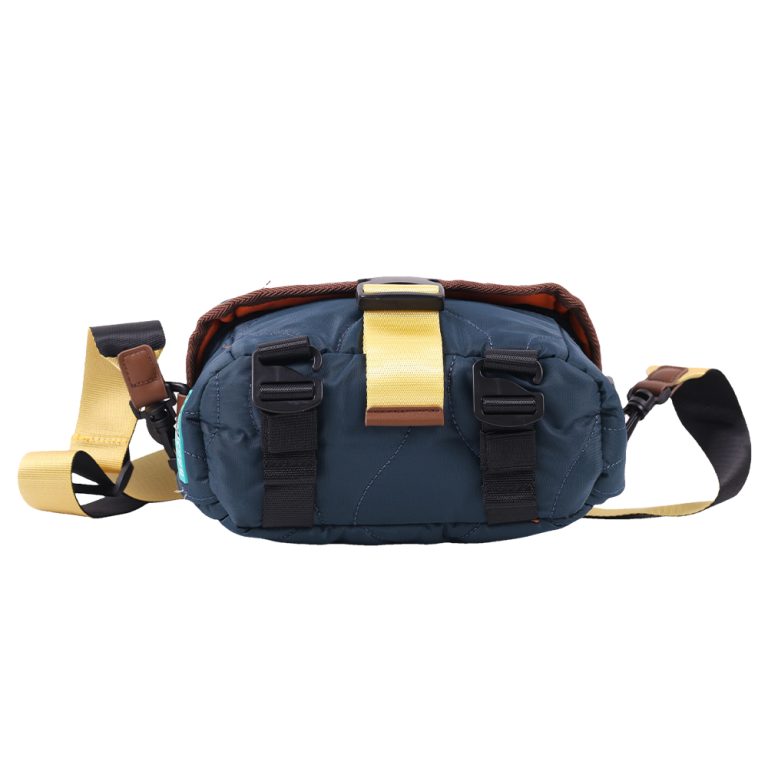
You’re the one who knows what you lug every day — camera, notebook, chargers, a bottle of water. Begin by describing those habits to potential manufacturers: how many compartments you need, whether weatherproofing matters, and the balance between structure and comfort. If you use a compact kit most days, a camera sling bag style might hit the sweet spot; mention that to factories so their pattern-makers start in the right ballpark.

Experience, expertise and a real-world anchor
Trust comes from seeing gear perform where it matters. After covering product launches and factory tours around the time of PhotoPlus Expo in New York, I learned the same questions keep surfacing: who owns tooling, where are prototypes made, how is QA handled on-site. Ask to see recent production samples and test reports; that’s how you verify claims. Also compare field-tested picks — one sensible reference is the best camera bag for everyday use noted for balancing protection and carry comfort — use that as a benchmark when evaluating materials and internal padding.
Specific specs to demand from a manufacturer
Give concise, testable requirements: fabric denier and coating, YKK or equivalent zipper model, seam type, foam density for inserts, and hardware load ratings. Ask for tech packs with measurements to the nearest millimetre and colour swatches. Request production samples at scaled quantities: proto, pre-production and final run — each should be signed off with a checklist you control.
Common pitfalls people run into
Spec ambiguity: vague terms like “durable” or “premium” mean different things to different teams. MOQ surprise: confirm minimums early — some factories quote deceptively low sample prices then raise MOQs. Communication lag: time zone and language differences cause small issues to balloon; set regular checkpoints and document decisions. Skimping on prototypes to save money almost always costs more when defects show up in the first shipping container.
Material and construction alternatives to consider
Nylon vs canvas: nylon with a DWR finish wins for weather resistance and lighter weight; canvas feels rugged and ages nicely but may need coating. Laminated fabrics improve moisture protection but complicate repairs. Look at zipper placement and strap anchoring — a reinforced bar-tack or boxed seam changes longevity. If sustainability matters, request recycled content certificates and ask about PVC-free coatings.
Costs, timelines and quality assurance
Price is a bundle: materials, labour, tooling and inspection. Ask for a breakdown. Build realistic timelines: development — 4–8 weeks; tooling and pre-production — 2–6 weeks; production run — depends on MOQ and factory load. Insist on third-party inspection before shipment and sample retention from the first run so you can compare future batches against the accepted standard.
How to test samples like a user
Wear the bag loaded for a full day, cycle or commute with it, and photograph gear fit. Simulate rain and abrasion tests where practical. Check stitching, lining adhesion, zipper smoothness and strap comfort under load. If the bag will carry electronics, include a thermal or moisture check for the padding and lining. Record failures immediately and feed those observations back to the factory with numbered change requests.
Weighing alternatives and making the decision
Compare three things: clarity of technical communication, willingness to revise samples, and demonstrated QA processes. A factory that answers questions with specific measurements and offers to run small corrective samples will save you headaches. If you must choose between lower price and better process, pick process — it reduces returns and customer complaints.
Bringing it all together
Decide what matters to your users, insist on measurable specs, and test samples exactly as the end-user will. That approach produces reliable products and predictable launches; it’s the practical route many small brands prefer when working with established manufacturers like ChangRong, because the outcome is a bag that works for real people day after day.
