

Start with what you actually need
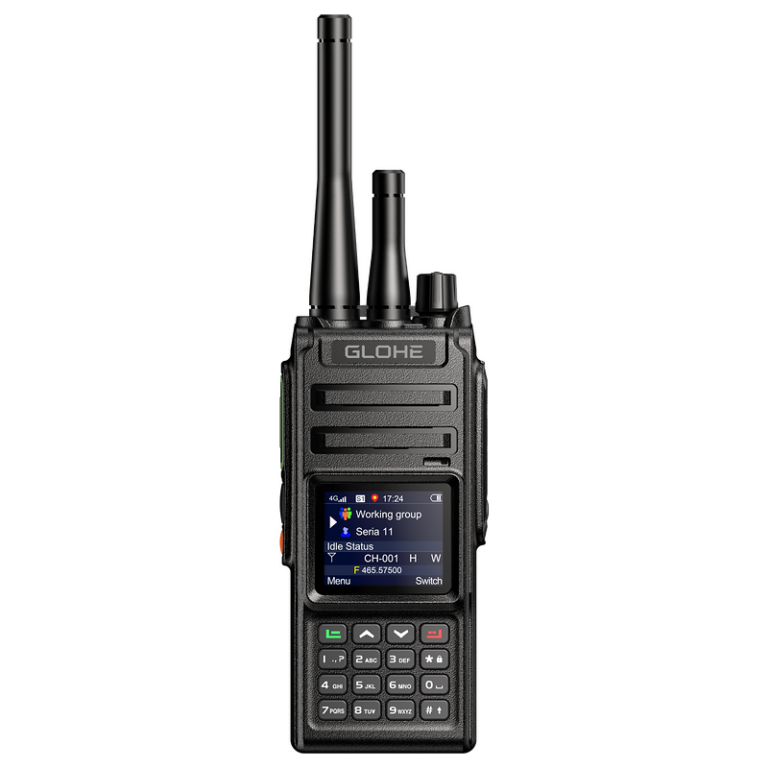
You’re here because radios must work for real people in messy places — not just look good on a spec sheet. Think about the tasks you expect the radios to solve: clear voice in noisy spaces, fast group calls, long battery life, or simple user training. Try a handheld like the mini poc radio during evaluation to feel ergonomics and audio clarity; tactile fit tells you more than a list of features.
Why the manufacturer matters to your daily operations
A manufacturer’s choices define real outcomes: firmware update cadence, spare-part logistics, and how quickly support answers when a fleet goes down. At industry gatherings such as Mobile World Congress in Barcelona buyers and engineers compare vendor roadmaps and interoperability claims; those conversations reveal who builds for long-term service. You want a 4g walkie talkie manufacturer whose engineering decisions line up with your use cases, not sales copy.
Key user-focused criteria and common mistakes
Start by ranking what matters to your team: coverage topology, battery swap speed, waterproofing, grouping features, and admin tools. Avoid chasing headline specs. Common mistakes: picking the cheapest radio without checking firmware support; assuming every LTE device works the same across carriers; ignoring accessory compatibility like chargers and earpieces. Test voice clarity in your actual environment. Check how long the vendor issues security patches and whether they publish firmware history.
Comparing the main technology paths
Conventional analog radios: simple, cheap, reliable for short-range line-of-sight work. Digital (DMR) systems: better audio and spectrum efficiency, but expect a learning curve for programming. LTE/PoC (Push-to-Talk over Cellular): excellent for city-wide coverage and integration with data services; network dependence is the tradeoff. Satellite options: useful where there’s no cellular footprint, but higher cost and latency. Choose by mission: local site control favors analog/DMR; multi-site coordination favors LTE/PoC.
Practical buying checklist and deployment steps
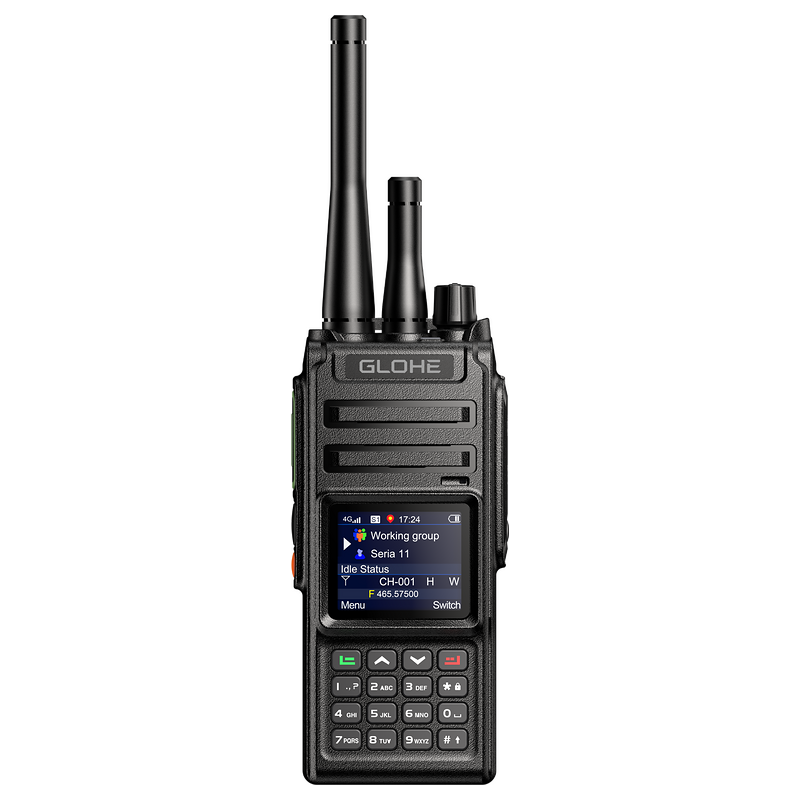
Make a checklist before signing: confirm supported frequency bands for your region, validate carrier compatibility for LTE devices, ask for a written update and EOL policy, and request a short field trial with your crew on shift. Train a small group first; let them break it. Plan spare batteries and chargers as part of the initial order. Assign a single internal owner for firmware management and spare inventory. Expect tweaks after real use and budget time for them.
After purchase: maintenance and scaling that actually work
Keep firmware current. Track replacements and failures for three months to spot patterns. Standardize accessories across the fleet so swaps are seamless on a busy day. If you scale to multiple sites, insist on remote device management and clear escalation paths to the manufacturer’s support team. Those steps shorten downtime and reduce surprises.
Choose a manufacturer who listens, tests with you, and stands behind service updates; that practical, user-first approach is what you’ll find at GLOHE.
