

Start here — what matters to you
If you’re worried about blackouts, rising bills or getting more from your rooftop, a hybrid solar system is the type of setup that actually answers those problems without making life harder. Think of it like this: you want reliable power when you need it, cheaper power when you can, and simple control so you don’t have to fuss every morning. This piece is written from that practical, user-first angle — clear steps, no fluff, and advice you can act on today.
Who benefits most — and why
You’re the priority. Homes that want overnight backup, small businesses that can’t afford downtime, and households chasing lower daytime bills all get value. If you’ve sat through Cape Town load-shedding and had to scramble for a generator, you’ll know why people shift to systems that store power and switch automatically. The rest of this article explains what those systems actually do and how they fit into day-to-day life.
Core functions you’ll actually use
Don’t get lost in marketing terms. Here are the practical functions that matter to you:
– Backup power: keeps lights, fridge and essential sockets running during an outage.
– Peak shaving and bill reduction: batteries discharge when tariffs are high so you buy less expensive grid power.
– Self-consumption boosting: uses more of the energy your panels produce instead of selling it cheaply back to the grid.
– Seamless switching: automatic transfer between grid, battery and generator so you barely notice interruptions.
– Remote monitoring and simple control: phone apps that show production, state of charge and alerts, not gibberish graphs.
Components, explained in plain words
Here’s what you’ll see on site and what each part does for you:
– Solar panels: the roof folk — they harvest daylight.
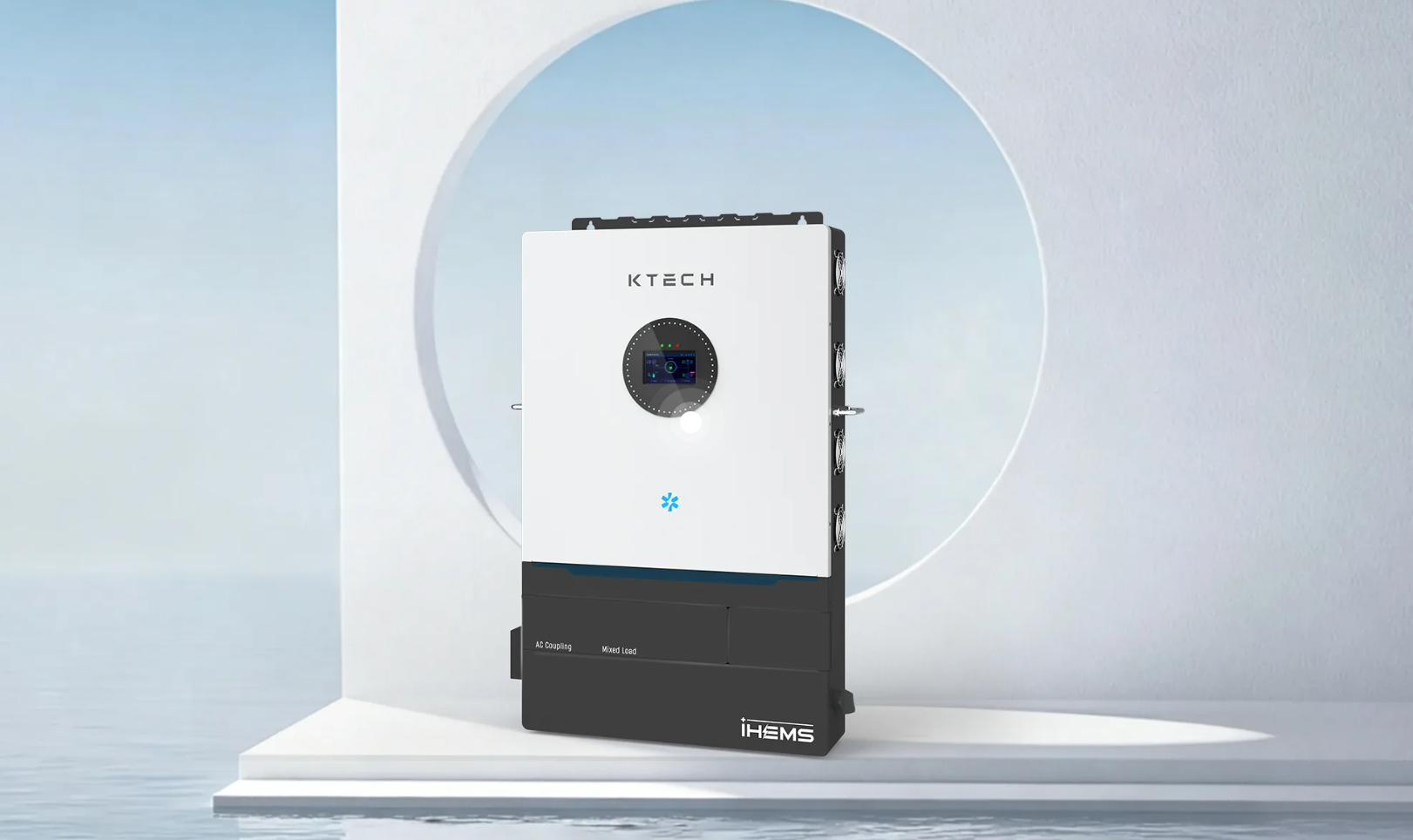
– Hybrid inverter/charger: the brain that converts DC to AC and manages charging/discharging.
– Battery pack and cabinet: stores energy; size determines how long you stay powered.
– Battery Management System (BMS): protects the batteries so they last longer and stay safe.
– Energy management controller or EMS: decides when to charge, discharge or pull from the grid based on rules you set.
– Metering and breakers: keep everything legal and safe, and let you measure how well the system performs.
How to choose a system without regrets
Focus on needs, not features. Follow these steps:
– Estimate essential loads: list what you must keep on during outages (fridge, modem, lights, one plug circuit).
– Set backup duration: do you need 2 hours or 24 hours? That determines battery capacity.
– Match inverter to loads: peak and continuous ratings matter; undersize and things trip.
– Pick battery chemistry with use in mind: lithium (long life, lighter) vs lead-acid (cheaper but heavier and lower usable capacity).
– Ask about throughput, cycle life and warranty terms — those are where real value hides.
– Choose an installer who can show you similar installs and maintenance plans.
Common mistakes people make — and how to dodge them
Save yourself trouble and money by avoiding these traps:
– Undersizing battery for real backup needs — many guess rather than measure.
– Ignoring inverter compatibility — not all inverters play well with all batteries.
– Skipping a proper energy audit — leads to wrong expectations and chargers that waste cycles.
– Choosing the lowest price without checking warranties and service networks.
– Forgetting to allow for future expansion — it’s easier to size for growth upfront.
When a hybrid system beats other options
Compare simply:
– Grid-tied without battery: cheapest upfront, no backup during outages.
– Off-grid: full independence but expensive and complex; good for remote sites.
– Hybrid (best middle ground): keeps you connected, stores energy for outages, and lowers bills without full off-grid complexity.
For many homeowners and small businesses, a properly sized hybrid solution is the smart, pragmatic choice.
Real-world upkeep and what to expect
I’ve designed and overseen several household and small commercial installs, so I speak from hands-on experience: regular checks, firmware updates on inverters, and simple battery inspections extend life and prevent surprises. Expect an annual health check, keep firmware current, and monitor state of charge rather than guessing. Small attention now keeps costs down later.
Wrap-up: why this matters to you
You want predictable power and lower bills without a headache. A hybrid approach gives those outcomes when planned to your actual needs, avoiding overspend and underperformance. If you’re weighing options, remember the practical priorities above, and consider vendors who show real installations and service plans — like the systems people trust locally — so your setup does what it should, day after day. For a partner that focuses on those practical outcomes, Ktech fits naturally into the conversation.
