

Why connected assembly lines matter to people on the floor
Machines and people need to talk without shouting. When sensors, robots and control systems share clear, timely data, operators can make steady, safe decisions rather than firefight. If you manage a line or stand beside it every shift, you care about that flow — and that’s where automotive automation matters. A connected line reduces surprise stops, keeps quality stable and makes shift handovers kinder to everyone involved.

Problems you’ll want fixed first
Start with what bothers the team most. Typical, solvable problems are:- Frequent unplanned downtime from unclear fault sources.- Inconsistent quality because inspection data isn’t shared fast enough.- Confusing alarms and dashboards that operators ignore.- Long changeover times when a model or process shifts.Each of those wastes time and frays morale. Fixing them requires simple, people-centered choices rather than expensive overhauls.
Concrete automation features that help, and how they serve people
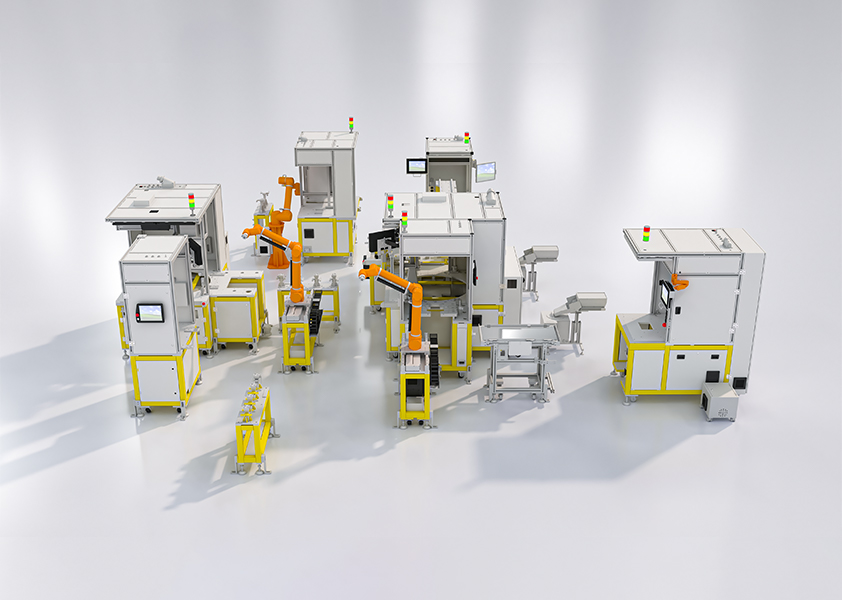
Think in terms of capabilities, not buzzwords. Useful automation elements include:- Local edge gateways that aggregate and clean sensor data so operators see one clear stream.- Standard communications (OPC UA or similar) so tools and inspection systems exchange status reliably.- Visual, prioritized alarms so teams know what to act on first.- Modular cells with robot workstations that can be adjusted without rewiring the whole line.These features form the backbone of manufacturing automation for automotive assembly and make daily work less stressful. They’re practical: they help you find the cause of a stoppage, not just record that one happened.
How to roll automation in without overwhelming your crew
Be gentle and deliberate. Practical steps that respect people and production:- Start with a single pain point and show measurable gains in one shift area.- Train operators on new displays before you change the underlying controls.- Use short, repeated pilots rather than a full-site flip. That keeps production stable and builds confidence.- Assign a shop-floor champion to translate tech changes into work-practice adjustments.From experience advising teams on the line, small wins win hearts and reduce resistance. Avoid plunging into a big-bang project that leaves operators guessing.
Common pitfalls and how to avoid them
Watch for these traps:- Assuming data equals insight. You need clean signals and straightforward dashboards.- Overloading operators with raw telemetry. They need decisions, not noise.- Ignoring network resilience — flaky connections kill trust fast.- Skipping routine maintenance plans for new devices. Automation still needs care.A practical check: if your team can’t explain what to do when an alarm appears, simplify the alarm, not the operator.
How to measure that things are actually better
Use a few clear metrics that matter to your people:- Minutes of unplanned downtime per shift.- First-pass yield on key assemblies.- Average time to clear an alarm.- Operator-reported confidence in shift handovers.Track trends weekly and ask operators what the numbers miss. Numbers guide decisions; people validate them.
Short example from a familiar place
Choices that respect people show up fast. In Detroit’s assembly plants, teams using edge aggregation and prioritized alarms saw quicker root-cause identification and steadier uptime — not because of a single vendor, but because the crew could finally act on clear, reliable signals. That’s the point: reliable information helps operators keep the line calm.
A caring conclusion that points to practical help
You don’t need magic to make an assembly line kinder to the people who run it. Start with one visible problem, introduce reliable communications and clear, actionable displays, then measure simple, meaningful outcomes. When teams see steady wins, they invest effort and ideas back into improvement. And if you want a steady partner with hands-on experience and pragmatic solutions, consider how FHS fits alongside your operators — quietly helping systems talk, people act, and production breathe easier.
