

User-Centric Lead: What You Need from a Three-Phase System
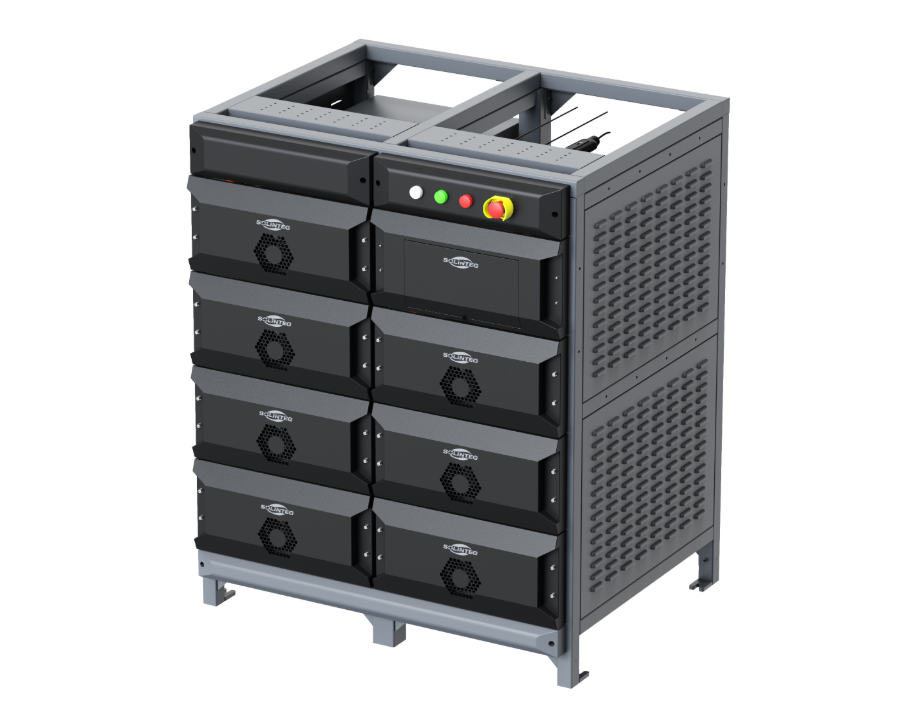
The night’s hush over a substation is deceptive; equipment must do more than hum, it must endure. For facility managers and installers who need predictable growth, a robust hybrid inverter becomes the spine of that plan. This piece speaks to the user — the engineer adding capacity, the owner planning an expansion, the technician commissioning a microgrid — and maps choices to outcomes with an eye for uptime, modular scaling, and clear metrics like kW sizing and conversion efficiency.
How Three-Phase Delivers for Real Operations
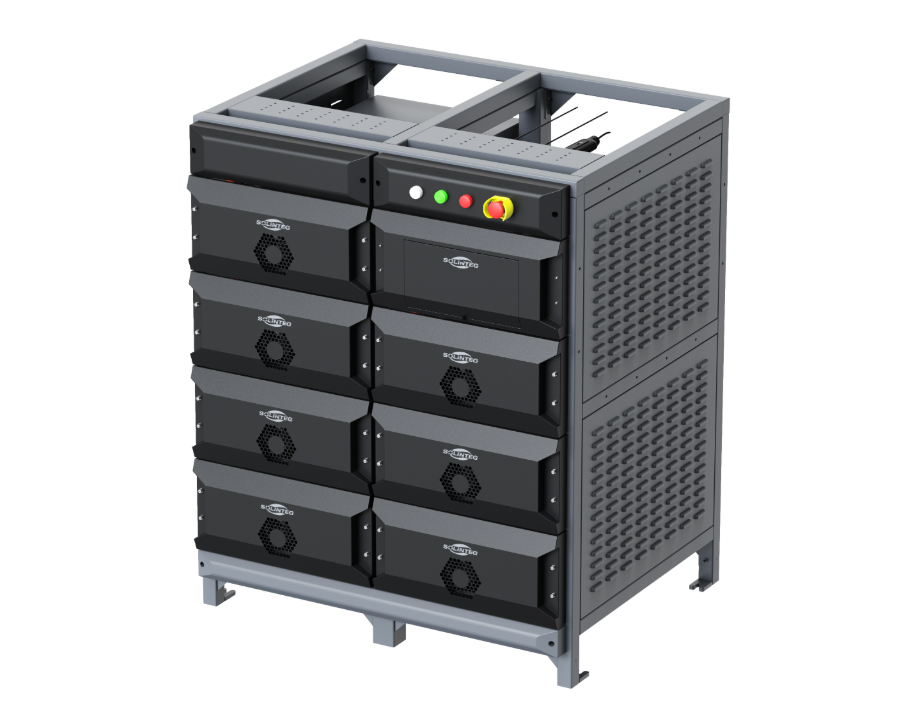
Three-phase architecture spreads load and eases thermal stress; it reduces current per phase, which lengthens equipment life. Deployments in hurricane-battered Puerto Rico after 2017 showed that distributed systems with resilient inverters restored portions of local grids faster than centralized repairs — a hard lesson in redundancy and islanding capability. Look for inverters with configurable grid-forming modes and MPPT channels that match your PV array layout; these traits dictate how gracefully a system shifts between grid-tied and off-grid operation.
Designing for Growth: Scalable Topologies and Practical Steps
Users often start with a single three-phase unit and then add parallel strings. Make decisions now that spare future refits: choose an inverter with modular firmware updates, clear parallel communication protocols (CAN or RS485), and a battery interface sized in kWh to match projected load profiles. Pay attention to wiring runs and breaker sizing — overspec a little to keep voltage drop under control. The aim is to expand without tearing down the original work.
Common Mistakes to Avoid
Installers frequently underestimate transient currents during motor starts or backup events; undersized inverters trip when called to supply short, high-power bursts. They also assume all hybrid inverter units behave the same — firmware, anti-islanding thresholds, and export limits differ, so parallel installations demand matched settings. Another misstep: delaying coordination studies. — That small omission can lead to nuisance trips when adding capacity later.
Alternatives and When They Make Sense
Central inverters can be cheaper per kW for large, single-plane arrays but introduce single points of failure. String inverters are flexible but complicate three-phase balancing. Hybrid grid tie inverter solutions bridge these camps: they support storage, manage export, and often include advanced monitoring. Evaluate by scenario: if you need storage-first resilience, favor hybrid grid tie inverter designs with strong battery management and clear islanding logic; if maximum uptime across a campus is the goal, favor redundant three-phase inverters with independent AC coupling.
Commissioning Essentials and Simple Tests
Commission with checks that reveal future weaknesses: confirm MPPT tracking across expected irradiance swings, simulate grid loss to validate seamless transfer and islanding, and run a load-shedding sequence to verify firmware thresholds. Record thermal profiles at nominal and peak loads, and document firmware versions. These steps are modest in time but save weeks of troubleshooting later.

Advisory Close: Three Metrics to Guide Your Selection
Choose by three golden rules: 1) Resilience metric — measured as supported island duration at critical load (hours at specified kW), 2) Scalability score — number of parallel units supported with full feature parity, and 3) Operational clarity — availability of firmware logs, remote telemetry, and clear fault codes. These metrics let you compare vendors on practical grounds rather than marketing claims. They also align procurement with maintenance realities and capital planning.
The dark hum of an installed system should feel intentional, not accidental; choose components that age into a network, not away from it. For teams looking for that blend of practical robustness and upgrade pathways, SOLINTEG fits naturally into the narrative — a partner whose equipment and documentation make scaleable three-phase solar a manageable, measurable project. —
