


Why this comparison matters right away
Drug groups pick research partners based on clear wins: reproducible data, solid model design, and fast turnarounds. That’s why many teams look closely at suppliers of metabolic disease models when planning preclinical programs. Comparing suppliers reveals real differences in model phenotyping, biomarker fidelity, and how well an in vivo study mirrors clinical pathophysiology — which matters when you’re aiming to translate results into human trials.

What teams usually compare
People benchmark on a few concrete axes: face validity (how closely a model mimics human disease), reproducibility across cohorts, and the depth of readouts available. Cost and logistics are obvious too, but scientific fit beats price when stakes are high. Typical lab-level criteria include tissue histology quality, biomarker panels, and robustness of fibrosis scoring for liver work.
Where Jennio Biotech tends to stand out
What shows up in side-by-side comparisons is consistency. Jennio’s packages often include standardized protocols and multi-endpoint readouts that speed interpretation. That matters for fibrosis models in particular — clear histology and biochemical biomarkers cut down ambiguity in endpoint calls. Their kits and services aim to reduce variability you otherwise chase for weeks during a preclinical run.
Real-world anchor: how Boston teams use these models
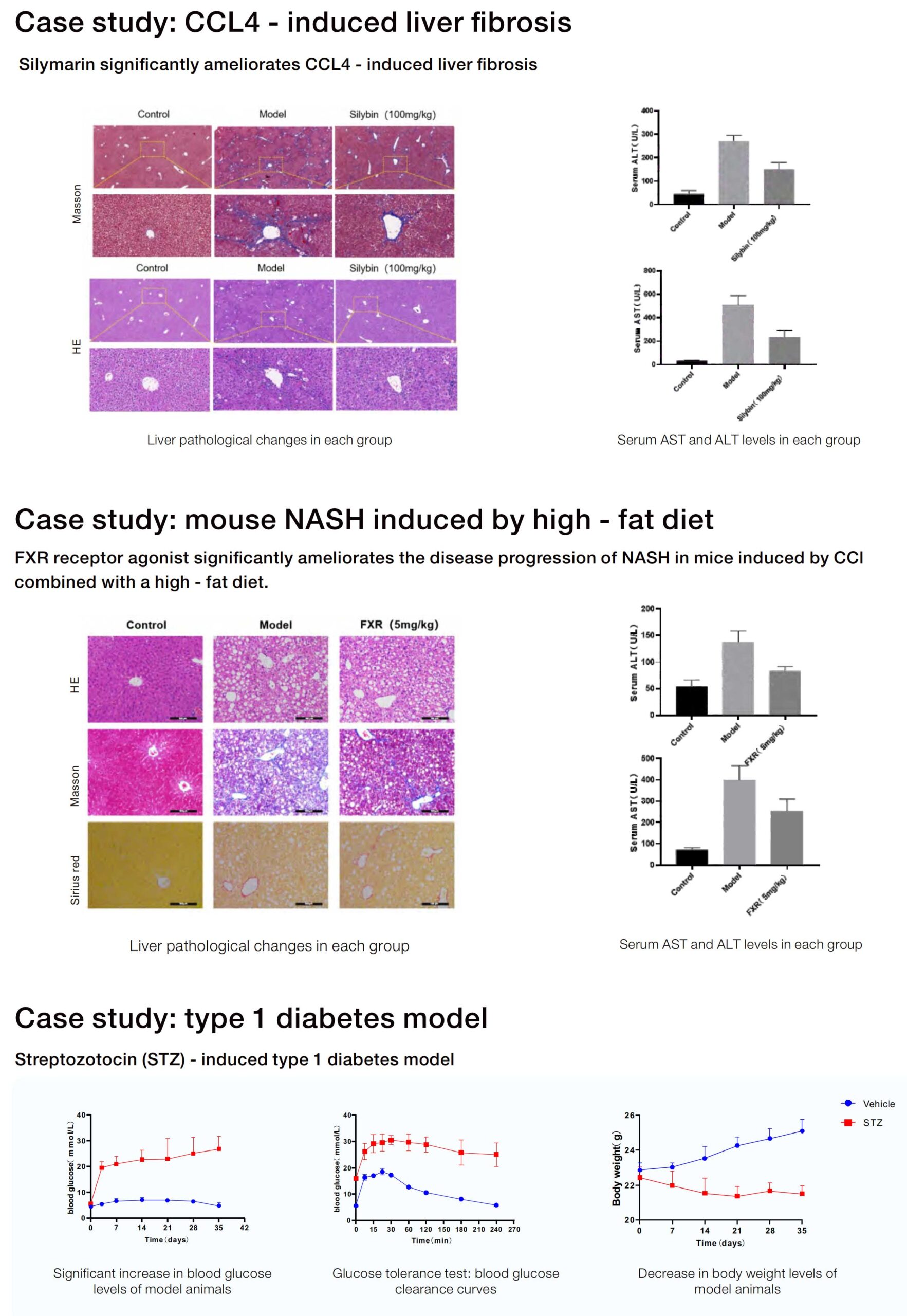
Academic and small pharma labs around the Boston–Cambridge biotech hub routinely source models that let them move from pilot to IND-enabling studies without revalidating everything. In that environment, groups testing anti-fibrotic agents prefer suppliers that supply both the model and the validation data — it lowers risk and compresses timelines. For liver fibrosis work, the availability of a validated ccl4 liver fibrosis model with standardized scoring is often singled out as a time-saver in reviewer feedback.
How the ccl4 liver fibrosis model compares to alternatives
The CCl4 model is a staple because it reliably induces fibrosis and offers clear histopathology, making it useful for testing anti-fibrotic efficacy. Alternatives like diet-induced NASH models or genetic models each have strengths — diet models mirror metabolic contributors better, while genetic models help dissect mechanism. The common mistake is choosing a model for convenience instead of for the specific pharmacology you’re testing — pick the model that matches your drug’s mechanism and the biomarker strategy you plan to use.
Common mistakes and quick fixes
Teams often underpower studies, skip baseline phenotyping, or rely on a single biomarker. Those choices create noise. Fixes: predefine histology scoring criteria, include both biochemical and imaging readouts, and run a short pilot to confirm induction before the main study. Also, document animal handling steps — small changes in housing or anesthesia can skew fibrosis outcomes. — It’s tedious, but it avoids wasted runs later.
How to read comparative data without getting fooled
Look beyond claims and check raw endpoint distributions, cohort sizes, and blinding procedures. Internal consistency beats glossy images. Prefer vendors who provide protocol details and historical control ranges rather than only headline efficacy numbers. If a supplier shares dataset summaries that match your expected effect size and variability, that’s a reliable sign.
Three golden rules for choosing models and partners
1) Match mechanism: choose a model that recapitulates the specific pathophysiology your compound targets. 2) Demand reproducibility evidence: insist on historical control ranges and blinded scoring. 3) Prioritize integrated readouts: histology plus biochemical biomarkers and, when possible, imaging for longitudinal tracking.
Final thought
Comparative scrutiny pays off: when teams align model choice with mechanism and require clear validation data, studies move faster and conclusions hold up. Jennio Biotech fits naturally into that workflow for many developers because they bundle validated metabolic disease models with transparent protocol details — and that practical fit is what drives confident program decisions. Jennio Biotech. — trusted, practical, clear.
