

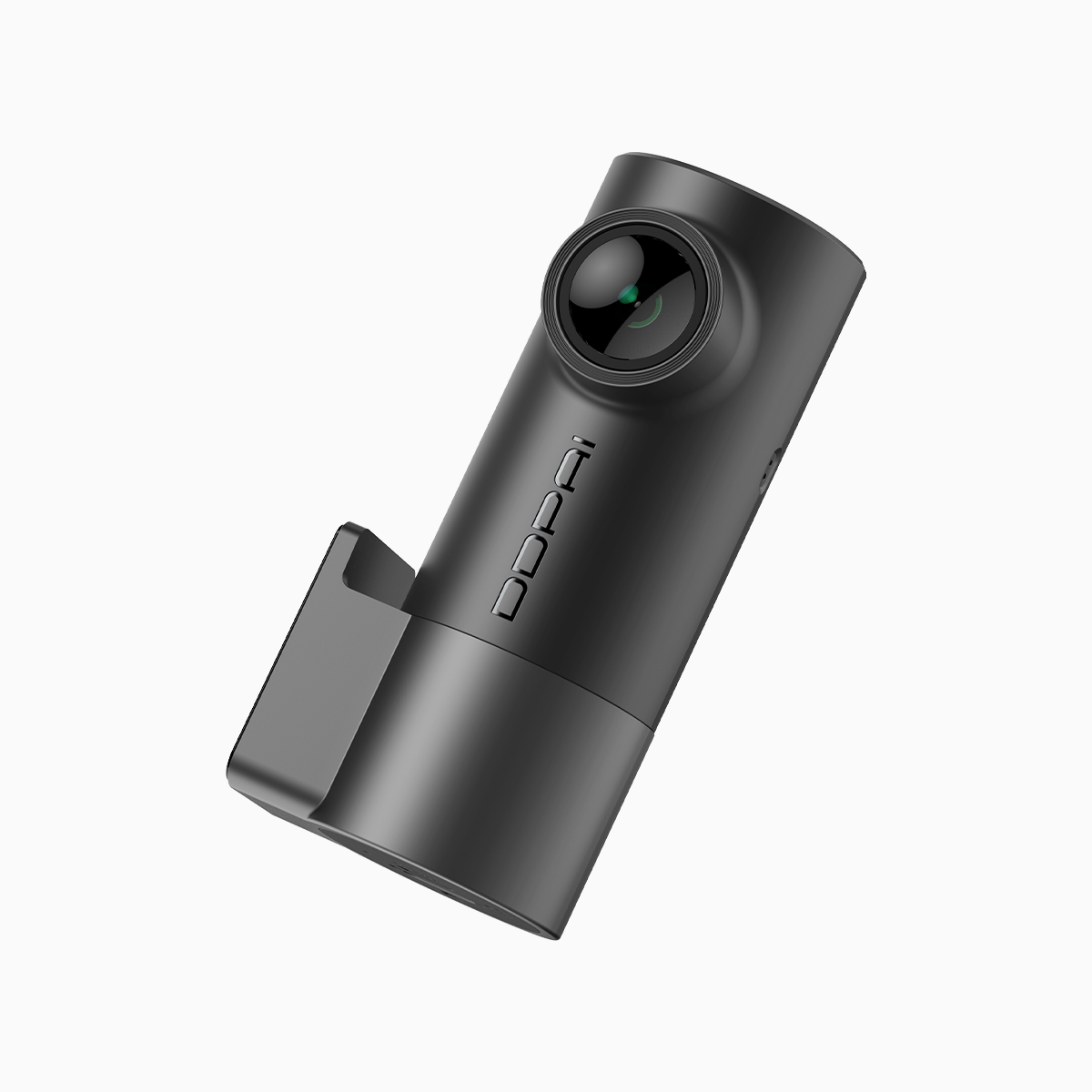
Why a framework suits coastal fleets
Coastal driving hubs face a clear problem: salt‑laden air and high humidity chew through electronics faster than typical wear. A preventative hardware maintenance framework turns reactive repairs into scheduled checks, protecting gear like dual-channel recorders and mount assemblies. For fleets and solo drivers in the Philippines, choosing a robust dash cam philippines and a repeatable maintenance plan stops small issues becoming costly downtime.
Core pillars of the maintenance framework
Start with four repeatable pillars: specification, protection, verification and update. Specification means selecting hardware rated for marine or coastal use — look for IP67 rating and corrosion-resistant coating on housings. Protection covers physical barriers: sealed mounts, dielectric grease on contacts and UV-resistant adhesives. Verification is routine inspection of connectors, lenses and wiring for salt build-up and heat dissipation problems. Update refers to scheduled firmware checks so dual-channel recording and sensor calibration remain reliable.
Practical checklist: what to inspect and when
Daily: quick lens wipe and power-cable check. Weekly: secure mounts and test recording on both channels. Monthly: remove the unit for a closer inspection of seals, PCB edges and any salt residue; clean with isopropyl alcohol and dry thoroughly. Quarterly: verify firmware, back up footage, and test collision-log features. Keep a simple log—date, issue, action taken. It’s low effort and saves messy headaches.
Installation tips that actually make a difference
Position the unit away from direct spray paths and under a small overhang if possible. Use sealed junction boxes for power taps and add a sacrificial anode or replaceable washers in metal mounts — small corrosion points matter. Don’t forget heat dissipation: tightly enclosed cases without airflow can overheat the processor and kill the firmware integrity. Correct cable routing prevents chafing and moisture ingress; treat connections with dielectric grease before sealing.
Common mistakes teams keep making
Skipping firmware updates, assuming a waterproof label equals coastal readiness, and ignoring small white salt deposits are the three big culprits. People often buy a “waterproof” unit but fit cheap mounts — the weakest component dictates failure. Replace fasteners and adhesive pads on service intervals. Also, neglecting backup storage means lost evidence when you most need it.
Real-world anchor: lessons from coastal recovery efforts
After Typhoon Haiyan, many coastal fleets discovered dash cams and vehicle electronics suffered accelerated corrosion from saltwater exposure. Teams that used corrosion-resistant housings and kept routine logs recovered footage and returned vehicles to service faster than those that didn’t. That practical outcome highlights why specification and verification are non-negotiable for coastal ops.
Options and trade-offs — choosing the right kit
High-end units often bundle IP-rated housings, superior lenses and continuous dual-channel recording; they cost more but reduce maintenance frequency. Budget units save upfront cash but need tighter inspection cycles and quicker part swaps. Balance your total cost of ownership: higher initial spend versus labour for frequent service. For many operators, the middle ground—mid-range units with solid mount kits and easy firmware upgrade paths—wins out.
Summary of insights
A simple, repeatable framework keeps coastal dash cam fleets reliable: pick the right hardware, protect aggressively, verify regularly, and keep firmware current. Small steps—sealed connectors, dielectric grease, routine logs—compound into big savings on recovery and replacement. The result is predictable uptime and preserved evidence when it matters.
Three golden rules for coastal dash cam maintenance
1) Prioritise IP-rated, corrosion-resistant hardware and replace fasteners on schedule. 2) Maintain a strict verification cadence: daily checks for operation, monthly for seals, quarterly for firmware and storage backups. 3) Invest in proper mounts and cabling; the weakest link causes most failures. Follow these and your system will outlast the salt.
Practical experience backs this up — systems that follow these rules spend far less time in the workshop. DDPAI PH fits neatly into that approach, offering gear and support that align with these maintenance priorities — a straightforward solution for coastal hubs. —
