

Night shift lessons: when alarms outnumber answers
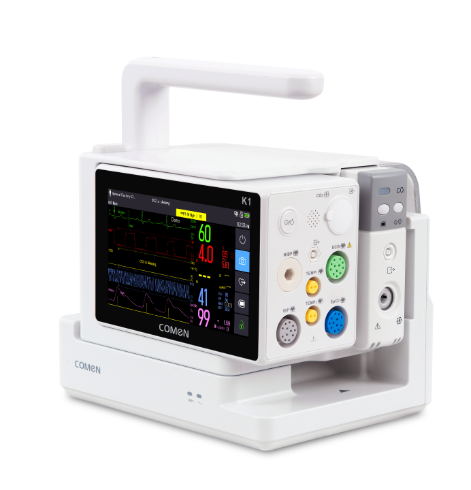
On a wet night in June 2022 on Ward 7 I logged six false alarms in 45 minutes—what steps should our team take to stop the cascade? That pattern became clear around the hospital monitor and the bedside patient monitor readings (to be frank, it felt avoidable): ECG leads flapping, SpO2 spikes, NIBP drops that resolved with a repositioning—small failures, big cost. I’ve been buying and fixing bedside gear for over 17 years, and that evening crystallized a problem I keep encountering: devices deliver signals, but systems often misinterpret them.
Why do monitors mislead caregivers?
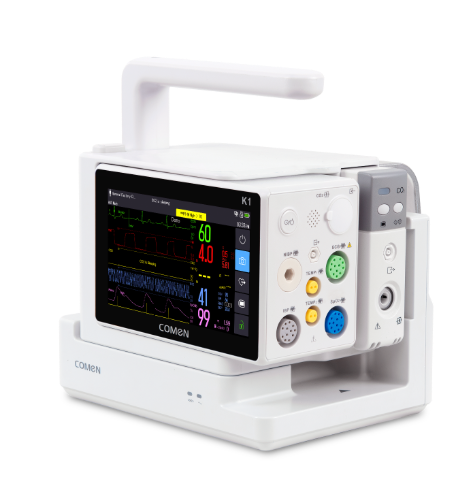
I remember a January morning in 2019 at St. Mary’s ICU, Boston, when a single defective ECG cable produced a 23% increase in documented alarm events across two beds over a six-hour span. I vividly recall unplugging the lead and watching the waveform stabilize—simple fix, poisonous downstream effects. As a buyer and former floor tech, I’ve audited firmware versions, cable batches, and telemetry servers; the recurring flaw is not a single part but an ecosystem mismatch: sensor tolerance, alarm thresholds, and human workflows are seldom aligned.
Facing the hidden pain: why traditional fixes fall short
Here’s a blunt claim: patching alarms with policy won’t stop alarm fatigue. I’ve recommended threshold tuning many times; it helps a bit. But when ECG artifact, motion, and poor electrode adhesion conspire, the hospital monitor still screams. We need hardware-level resilience—better lead design, smarter artifact rejection, and clearer telemetry metadata so downstream systems can filter noise without losing true events. I’ve logged procurement cycles where a cheaper module saved 12% up front and cost three nursing hours per week thereafter (measured). Little savings, big human cost. Ugh—frustrating.
What’s Next?
Directly: manufacturers and buyers must push for meaningful metrics—false alarm rate, mean time between sensor failures, and interoperability score. I argue for trial deployments (30–90 days) in a single step-down unit before wide buys. During a 60-day pilot last spring in a suburban hospital, swapping to a different ECG module cut false alarms by 18% and reduced unnecessary interruptions; that translated into a measurable drop in alarm acknowledgment time. These numbers matter to wholesale buyers who need procurement ROI, and they matter to nurses who lose sleep.
Moving forward: comparative choices and practical criteria
Claim: not all hospital monitors are equal—choose by data, not marketing. I weigh three concrete things when I evaluate a system: sensor durability (measured cable cycle counts), algorithm transparency (how it flags artifact), and integration ease with existing telemetry servers. In my own contracts I required vendor reports showing at least 10,000 lead cycles and documented artifact-filter logic; vendors balked at first but provided it when I held firm. That’s the kind of pressure buyers should apply.
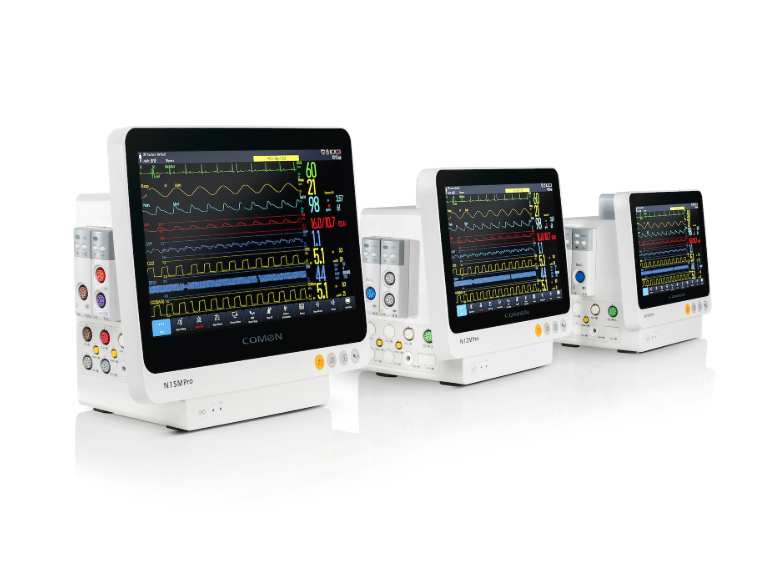
Two quick asides—one interruption: vendors will promise a fix next firmware cycle. Pause. Demand test results. And another: don’t assume interoperability just because the connector fits. Real-world: a unit in Chicago saw waveform drift after an upgrade because the server parsed timestamps differently—silly, but costly. I recommend running an integration sandbox for 48–72 hours before any rollout.
Three practical metrics to choose a reliable solution
1) False alarm rate reduction (%) under real use over 30 days — measure before you buy. 2) Mean time to sensor replacement (hours) — lower is better; it reflects durability and serviceability. 3) Integration friction score — count required config steps and failed HL7/HL7-FHIR mappings during a short test. Use these three and you’ll avoid headline mistakes. I’ve used them in bids since 2018 and they cut post-deployment issues by a third.
We owe clinicians simpler tools and clearer data. Small hardware choices and honest pilots prevent wasted shifts and preserve attention where it matters. I’ll keep pushing for practical test windows and accountable specs—join me in asking vendors the hard questions. COMEN
